
Best Metal Primer in the UK (2026)

Finding the best metal primer in the UK makes all the difference when you want your metal projects to last. Whether you are restoring garden gates, sprucing up car parts, or protecting machinery, a quality primer stops rust before it starts and gives your topcoat something solid to stick to.
A durable finish starts with proper surface preparation, and pairing the right primer with specialist coatings can improve long-term protection. For decorative finishes, explore the best chrome paint for metal, while heavily corroded surfaces benefit from the best UK rust converter for metal. If you need complete corrosion control, the best UK rust treatment for metal helps stop oxidation before painting, and the best UK anti-rust paint for metal provides an extra protective barrier against moisture and wear.
Discover Our Best Metal Primer in the UK - Jenolite
Understanding Metal Primers and Why They Matter

Metal primers create a barrier that blocks moisture and oxygen from reaching bare metal. They also improve adhesion so your finish coat stays smooth and even. Without a good primer, even the toughest paint can flake or peel when exposed to British rain and frost.
Many DIY enthusiasts and professionals turn to primers that actively fight corrosion on ferrous and non-ferrous metals. These formulas prepare surfaces for water-based or oil-based topcoats and deliver a matt or smooth base that holds colour longer. Selecting the right one depends on the metal type, whether rust is already present, and if the item sits indoors or outdoors.
The best metal primer in the UK balances ease of application with reliable performance in our variable climate.
Key Factors to Consider When Choosing a Metal Primer
Look for formulas with rust-inhibiting ingredients such as zinc or phosphate that actively protect against corrosion. Check compatibility with your topcoat and the metal you are treating. Aerosol options suit smaller or awkward areas while tins work well for bigger surfaces.
Ease of use counts too. Fast-drying primers let you move to the topcoat sooner, and good coverage reduces the number of coats needed. Consider the finish you want and whether the primer handles galvanised steel, aluminium, or heavily rusted ferrous metal.
Proper surface preparation always boosts results, so clean off loose rust, grease, and old paint first.
Best Metal Primers in the UK (2026)
1. Jenolite - Best Metal Primer in the UK
Jenolite metal primers deliver reliable protection for iron, steel, aluminium and other metals commonly used in the UK. The range includes high performance aerosol sprays and traditional tin paints that actively fight rust while creating a strong base for topcoats. Formulated in Britain, these primers combine elevated zinc levels with excellent adhesion properties, making them suitable for vehicles, garden furniture, machinery, gates and structural metalwork.
Users appreciate how the formulas handle both new and lightly rusted surfaces, blocking moisture and oxygen in the damp British climate. The quick drying times support efficient application, whether in a workshop or on site, and the matt finish ensures topcoats bond evenly for a professional result. The range works with water based and oil based paints, offering versatility for restoration projects or new builds.
Standout aspects include high zinc content for corrosion defence, strong surface grip that prevents flaking, and coverage that reaches awkward areas with minimal effort. The primers prepare metal effectively for long term durability without complicated steps, helping projects withstand rain, frost and everyday wear. Many choose Jenolite for consistent performance across DIY and professional jobs.
ANTI-RUST PRIMER SPRAY PAINT | 400ML | METAL PRIMER

ANTI-RUST PRIMER SPRAY PAINT | 400ML | METAL PRIMER
DESCRIPTION
-
HIGH-QUALITY ANTI-RUST PRIMER: JENOLITE Anti-Rust Primer Spray Paint delivers premium metal protection, extending the durability of your metal items and structures.
-
COMBATS RUST AND CORROSION: Featuring elevated zinc levels, this primer spray is engineered to aggressively tackle rust, making it an excellent complement to our lineup of rust removers, converters, and Directorust spray paint.
-
ENHANCES BONDING: This primer for metals boosts surface grip to create an optimal base for top-coating, compatible with both water-based and oil-based paint finishes.
-
VEHICLE AND EQUIPMENT APPLICATIONS: Thanks to its exceptional anti-corrosion capabilities, it's perfect as a primer spray for automobiles, trucks, motorcycles, plus garden tools, industrial gear, and bicycles.
-
PRODUCED IN THE UK
PRIMER FILLER | 400ML AEROSOL SPRAY PAINT

PRIMER FILLER | 400ML AEROSOL SPRAY PAINT
DESCRIPTION
-
HIGH FILL PRIMER: Ideal for filling small surface imperfections to ensure a smooth surface ready for top-coating.
-
SMOOTH FINISH: Apply several coats to build up a totally smooth finish.
-
MULTI-SURFACE PRIMER: With a tough acrylic formula, this product is suitable for priming metal, wood and plastic prior to top-coating.
-
READY TO OVERCOAT IN 24HRS: Quick drying formulation, allows top coat after 24hrs.
-
COMPATIBLE TOPCOATS: Compatible with cellulose, acrylic and P/u-alkyd and epoxy.
-
MADE IN BRITAIN
UNIVERSAL ETCH PRIMER | 400ML AEROSOL SPRAY PAINT

UNIVERSAL ETCH PRIMER | 400ML AEROSOL SPRAY PAINT
DESCRIPTION
-
SELF ETCHING PRIMER: Specialist etch primer for metal, plastic, and difficult-to-paint surfaces.
-
MULTI-SURFACE: Suitable for aluminium, stainless steel, galvanised metal, rigid plastics, and previously painted surfaces.
-
TOPCOAT READY: Aerosol spray ensures a smooth, even coat with minimal effort. Creates the perfect surface for application of topcoat.
-
QUICK & SIMPLE APPLICATION: Easy to apply spray can, helping the user to achieve a smooth even finish.
-
MADE IN BRITAIN
2. Hammerite Special Metal Primer

Hammerite Special Metal Primer stands out as a water based formula created specifically for non ferrous metals such as galvanised steel, aluminium, chrome, brass, copper and stainless steel. It delivers reliable adhesion that allows topcoats to apply smoothly and hold firm over time. Many tradespeople and DIY users select it for projects that require a decorative finish on tricky surfaces where standard primers might struggle. The primer works equally well indoors or outdoors, making it practical for a wide variety of metal items exposed to British weather. Its quick drying nature helps speed up jobs without sacrificing quality, and the smooth even base reduces the risk of runs or uneven coverage.
The formula focuses on promoting strong bonding while remaining easy to clean up with water. It suits smaller detail work as well as larger panels, giving consistent results across different metal types. Users often pair it with Hammerite topcoats for a complete system, but it also performs well with other compatible paints. The primer handles new metal effectively and prepares previously coated surfaces for refresh work. Its versatility extends to items like railings, window frames, vehicle parts and outdoor furniture. In practice, it helps prevent early peeling by creating a stable foundation that resists temperature changes and humidity.
Key features
-
Water based formula for simple clean up
-
Strong adhesion on non ferrous metals
-
Suitable for interior and exterior use
-
Quick drying to speed up projects
Facts and Information
It creates a reliable base layer that supports decorative finishes and helps metal items resist everyday wear in typical UK conditions.
3. Armstead Trade Metal Primer Zinc Phosphate

Armstead Trade Metal Primer Zinc Phosphate offers high performance rust inhibition aimed at iron and steel surfaces. Professional painters and contractors rely on it for structural metalwork, gates, railings and larger industrial items where corrosion resistance matters most. The zinc phosphate content works to block moisture and oxygen, forming a solid film that prepares the metal for decorative coats. It applies well over hand cleaned or properly prepared surfaces and builds an even layer that improves overall paint durability.
The primer suits both interior and exterior environments, handling the variable UK climate without losing effectiveness. Its high build characteristics allow good coverage in fewer coats, saving time on bigger jobs. Many users value the consistent results it delivers in trade settings where reliability counts. The formula works alongside a range of topcoats, making it flexible for different project requirements. It focuses on creating a stable base that resists flaking and supports long term protection.
Key features
-
Zinc phosphate for effective rust prevention
-
High build formula for better coverage
-
Suitable for interior and exterior applications
-
Compatible with professional topcoats
Facts and Information
It provides a professional grade foundation that many in the trade use for metal projects requiring dependable corrosion resistance.
4. Coo-Var Red Oxide Metal Primer

Coo-Var Red Oxide Metal Primer serves as a traditional anti corrosive option for ferrous metals including iron and steel. Its red oxide formulation creates a classic base layer that many painters recognise and trust for general purpose metal preparation. The primer shields surfaces from oxidation and prepares them effectively for long lasting topcoats. It works across interior and exterior projects, making it useful for garden furniture, fences, structural elements and workshop equipment.
The formula applies with standard tools and delivers reliable coverage on prepared metal. Many users select it for projects where straightforward rust protection meets everyday needs. The red base helps indicate full coverage during application and supports even topcoat results. It remains popular with both professionals and enthusiasts who value proven performance over decades of use. The primer contributes to metal longevity by forming a barrier against moisture in British conditions. It suits a range of ferrous surfaces and integrates well with various finish paints.
Key features
-
Red oxide for solid corrosion protection
-
General purpose performance on ferrous metals
-
Suitable for interior and exterior projects
-
Easy application with brush or roller
Facts and Information
It offers practical rust resistance that many rely on for metal items facing regular weather or workshop use.
5. Teamac Zinc Phosphate Primer

Teamac Zinc Phosphate Primer earns recognition for its high solids content and strong anti corrosive action on iron and steel. It builds a robust protective layer that suits demanding environments where metal faces significant exposure. Professionals often choose it for structural work, machinery and outdoor installations that require durable preparation. The primer delivers excellent adhesion on new or prepared surfaces and supports long term paint performance.
The formula focuses on creating a stable film that resists corrosion while allowing topcoats to bond securely. Many users appreciate its consistency across different project scales. It handles temperature swings and humidity typical in the UK without compromising the finish. Application works well with brush, roller or spray depending on the job. The high solids approach means efficient coverage and reduced need for multiple coats in some cases. It integrates smoothly with compatible decorative paints and contributes to overall metal protection. The primer remains a steady choice for those seeking professional results on ferrous metals.
Key features
-
High solids zinc phosphate content
-
Strong corrosion resistance
-
Reliable adhesion on prepared metal
-
Professional application flexibility
Facts and Information
It performs consistently on metalwork that needs solid protection against damp and changing conditions.
6. Dulux Trade Metalshield Zinc Phosphate Primer

Dulux Trade Metalshield Zinc Phosphate Primer provides oil based high build protection tailored for iron and steel. It pairs effectively with Metalshield topcoats and creates a stable base for decorative finishes. The zinc phosphate ingredient helps inhibit rust while the formula builds a thick layer that improves coverage. Professionals select it for exterior metal where consistent performance makes a difference.
The primer works on hand cleaned or blast cleaned surfaces and supports extended metal care. Its oil base contributes to good flow and leveling during application. Many painters value the results it delivers on gates, railings and machinery exposed to weather. The primer integrates into trade systems that prioritise durability and appearance. It forms a reliable foundation that resists early failure when applied correctly.
Key features
-
Zinc phosphate rust inhibition
-
High build for efficient coverage
-
Compatible with trade topcoats
-
Suitable for exterior ferrous metal
Facts and Information
It offers dependable preparation that many professional users rely on for long term metal protection.
7. Hammerite Red Oxide Metal Primer
Hammerite Red Oxide Metal Primer targets ferrous metals with straightforward rust inhibiting performance. It prepares surfaces for Hammerite paints and other compatible finishes while delivering reliable corrosion resistance. The formula applies easily and suits garden items, railings and general metalwork. Many users across Britain choose it for simple yet effective preparation.
The red oxide base provides visible coverage and supports even topcoat application. It handles interior and exterior projects with consistent results. The primer remains a familiar option for those who want dependable metal treatment without complexity.
Key features
-
Red oxide corrosion protection
-
Easy brush or spray application
-
Good adhesion for topcoats
-
Suitable for ferrous metals
Facts and Information
It delivers practical performance for everyday metal projects in UK conditions.
8. Blackfriar Red Oxide Metal Primer

Blackfriar Red Oxide Metal Primer supplies solid anti corrosive protection for iron and steel. It creates a traditional red base that many DIYers and tradespeople use before finishing coats. The primer works on interior and exterior ferrous surfaces and promotes even paint coverage.
Users select it for fences, gates and workshop equipment where reliable rust resistance counts. The formula offers straightforward application and dependable results.
Key features
-
Red oxide formulation
-
Reliable rust resistance
-
Versatile for multiple projects
-
Easy to apply
Facts and Information
It provides practical metal preparation that supports lasting finishes.
9. Farrow & Ball Metal Primer & Undercoat

Farrow & Ball Metal Primer & Undercoat delivers a premium rust inhibiting base for bare ferrous metal. It creates a smooth foundation that suits high end decorative finishes and complements the brand’s paint range. The primer works across various metal surfaces where appearance and protection both matter.
Design conscious users appreciate the quality formulation that prepares metal effectively. It focuses on smooth results and strong bonding.
Key features
-
Rust inhibiting properties
-
Smooth undercoat finish
-
Premium quality formulation
-
Suitable for decorative metalwork
Facts and Information
It offers a refined option when both protection and aesthetics are priorities.
10. Rustins Metal Primer

Rustins Metal Primer, most often bought as the brand’s red oxide or galvanised metal primers, is a general purpose option for home metalwork. The classic red oxide version uses micronised red oxide on clean bare ferrous metal and typically needs an undercoat before the finish.
Drying is slower than modern water based primers, often 4 to 8 hours. The water based galvanised primer is quicker, touch dry in about 30 minutes and recoatable in 2 hours, with anti corrosion additives for bare and galvanised metal. Coverage varies by product but is commonly around 7 to 13 square metres per litre. Application is usually by brush. These primers suit gates, railings, steps and furniture rather than large structural contracts. They remain easy to find in independent shops and appeal to users who want a straightforward British brand for smaller restoration jobs without a full trade specification.
Key features
-
Easy brush or roller application
-
Solid adhesion on ferrous metals
-
General purpose versatility
-
Suitable for home projects
Facts and Information
It serves as a dependable choice for everyday metal preparation in the UK.
11. Ospho Metal Treatment

Ospho Metal Treatment is a phosphoric rust treatment from Cleveland, Ohio, sold as a metal prep rather than a conventional paint primer. The water thin liquid is a blend of phosphoric acid, dichromates, wetting agents and extenders. On rusted steel it converts iron oxide into a hard, dark iron phosphate film that can then take an oil based primer or finish. Tight rust can stay in place after loose scale, dirt and grease are removed.
Coverage is high, around 600 square feet per gallon, because the product is closer to a wash than a build coat. Overnight drying is typical and heavy rust may need a second pass. A dry grey white powder can form after curing and should be brushed off before painting. It is used on vehicles, trailers, fences, tanks, farm equipment and marine steel. Compatibility is strongest with oil based systems, so epoxy or latex topcoats should be tested first.
-
Key features: phosphoric rust conversion, water thin application, interior and exterior ferrous metal
-
Accurate data: about 600 sq ft per gallon, overnight dry, recommended under oil based primers, not a standalone decorative film
12. Corroseal Rust Converting Primer
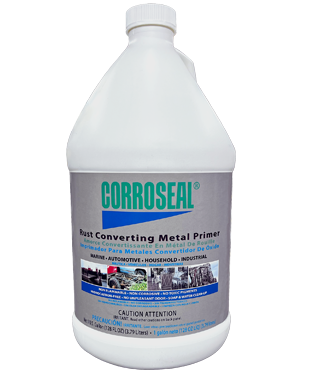
Corroseal is a water based rust converter and latex primer made in the USA by Rodda Paint in Portland, Oregon. It turns rust into a magnetite barrier while laying down a bonding film for enamels, acrylics and urethanes. Loose flakes must come off, but tightly bound rust can remain. Coverage is about 200 square feet per gallon at 8 to 10 mils wet, drying to roughly 2.5 to 3.5 mils. Volume solids sit near 31 percent.
Touch dry can be around 30 minutes, with a 24 hour recoat window. VOC is low compared with solvent alkyds, and tools clean with soap and water. The product is not meant for underwater hulls, standing water or sound galvanised zinc that has not rusted. Heat ageing resistance is quoted up to about 270°F. Adhesion pull tests on rusted steel with compatible topcoats have been published in the maker’s data.
-
Key features: water based converter plus primer, brush roller or spray, non flammable formula
-
Accurate data: about 200 sq ft per gallon, 31 percent volume solids, recoat about 24 hours, Portland, Oregon manufacture
13. Van Sickle Self-Etching Multi-Surface Primer

Van Sickle Self-Etching Multi-Surface Primer comes from Van Sickle Paint in Lincoln, Nebraska. The grey alkyd etch primer is aimed at adhesion on ferrous metal, stainless steel, aluminium, galvanised metal, fibreglass and many rigid plastics. It can act as a primer or a tie coat and is sold in aerosol, quart and gallon packs. Volume solids are about 21 percent and weight solids about 35 percent.
Practical coverage is listed around 300 to 340 square feet per gallon at 1.0 mil dry. Dry to touch is 5 to 10 minutes at 77°F and 50 percent relative humidity, with recoat in about one hour. Application is recommended between 50°F and 90°F. VOC is under 580 g/L. The product is used on agricultural equipment, shop metal and mixed substrate repairs where a fast etch layer is needed before a finish coat.
-
Key features: self etching alkyd, multi substrate adhesion, aerosol and bulk packs
-
Accurate data: about 300 to 340 sq ft per gallon, 1.0 mil DFT target, recoat about 1 hour, Lincoln, Nebraska
14. Diamond Vogel Iron Prime 600
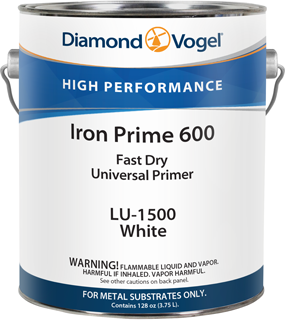
Iron Prime 600 is a fast dry universal metal primer from Diamond Vogel in Orange City, Iowa. The single pack film is sold as a shop and maintenance primer for metal in harsh service, including use as a barrier over sound existing coatings. It is lead and chromate free and offered in grey, white and red. The line is promoted for tenacious adhesion, corrosion resistance and gloss holdout under a wide range of topcoats.
Rapid recoat is the workflow feature for fabrication shops that need to move steel quickly. Related Diamond Vogel alkyd primers such as CoteAll list around 42 percent volume solids, 2.0 to 3.0 mils dry per coat and recoat times near 8 hours at 70°F. Typical jobs include tanks, machinery, structural steel, agricultural equipment and touch up. Surface preparation still governs performance, especially on rusted or previously coated steel.
-
Key features: universal fast dry primer, lead and chromate free, barrier coat over sound coatings
-
Accurate data: colours grey white and red, Iowa manufacture, intended for mild to harsh industrial metal maintenance
15. Benjamin Moore Corotech Universal Metal Primer
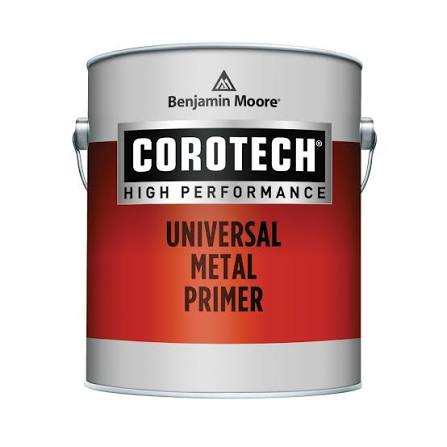
Corotech Universal Metal Primer, coded V131 or CV131, is a phenolic alkyd rust inhibitive primer from Benjamin Moore in Montvale, New Jersey. It is a one component shop and maintenance primer for ferrous metal, with high solids and a four hour recoat in typical conditions. Volume solids are about 50 to 51 percent. Coverage is roughly 370 to 450 square feet per gallon at 1.8 to 2.3 mils dry.
Colours include white, red and grey. The film can sit under strong solvent topcoats and can be used as a tie coat over existing paint that will receive a higher performance finish. Data sheets reference federal and military primer specs such as TT-P-664 and SSPC Paint 25 performance. It is suitable for USDA inspected facilities in the stated uses. Electrostatic spray is possible once the product is polarised. It is aimed at steel shops rather than decorative consumer metalwork.
-
Key features: phenolic alkyd, rust inhibitive pigmentation, shop and industrial maintenance
-
Accurate data: about 50 percent volume solids, 370 to 450 sq ft per gallon, recoat about 4 hours, Montvale, New Jersey
Red Oxide vs Zinc Phosphate vs Etch Primer: Which Type Do You Need?
Metal primer type matters more than brand name. The wrong film peels on shiny zinc. The right film holds a topcoat through wet winters. Most jobs in the paints and primers range fall into a few clear groups.
Red oxide primer is the familiar rust-inhibiting base for ferrous metal. Iron. Mild steel. Wrought iron gates. The red colour shows missed patches fast. The film blocks moisture and gives oil-based or water-based paint a key. A tin of red oxide anti-rust primer suits fences, railings and workshop steel where brush work covers a large area. It is not the first choice on bright galvanised sheet or bare aluminium.
Zinc phosphate primer adds an active rust-fighting pigment to a high-build coat. The phosphate helps slow corrosion on iron and steel. Trade work on structural metal, machinery and exterior steel often uses this style because the film is thicker and more stable than a thin decorative undercoat. Zinc in the film also appears in anti-rust primer spray paint made for cars, tools and garden steel.
Zinc-rich primer is a different idea. High metallic zinc can act like a cold galvanising layer. Cut ends, welds and damaged zinc coatings on sheet and tube are common uses. Bright zinc galvanising spray is the finish many people use when the metal should look newly galvanised as well as stay protected.
Etch primer (self-etch primer) is for metals that reject ordinary paint. Fresh galvanised steel. Aluminium. Stainless steel. Some rigid plastics. The acid etch bites a microscopic key so later coats grip. A universal etch primer is the usual step before colour on those awkward surfaces. Standard red oxide on shiny zinc is a common reason paint flakes within a season.
Primer filler is not a rust chemistry on its own. It levels small scratches and pinholes on metal, wood or plastic so the colour coat looks flat. Primer filler aerosol sits after rust control, not instead of it.
A short match list:
-
Bare or lightly marked iron and steel: red oxide or zinc phosphate metal primer
-
Outdoor structural steel that sees rain and frost: zinc phosphate or zinc-rich primer
-
Shiny galvanised steel, aluminium, stainless: etch primer first
-
Cut edges and weld repairs on zinc-coated steel: zinc-rich / bright zinc coat
-
Light rust still present after cleaning: rust converter on the oxide, then primer where the system asks for a separate base
-
Loose scale and heavy corrosion: rust remover back to sound metal, then primer
Direct-to-rust colour coats exist as well. Directorust multi-surface paint combines primer, undercoat and finish for light rust after loose material is off. Separate primer still belongs on bare steel that will take a decorative or trade topcoat, and on non-ferrous metal that needs a mechanical key.
Chromate wash primers have been leaving general DIY shelves as older aerospace-style formulas face tighter UK chemical rules. Modern etch primers used on gates and bodywork are built without that old chromate pack. That is the type most home and workshop jobs now use. Wider rust protection products then seal the primed metal once the base coat has set.
Which Metal Primer to Use on Steel, Galvanised Steel and Aluminium
The metal under the rust decides the primer. One tin rarely fits every surface on a mixed job. Mild steel, iron and wrought iron rust in damp UK air. After grease and loose scale are gone, a rust-inhibiting metal primer is the base for gates, railings, trailers and machinery. Metal treatment products sit in front of that coat when oxide is still active. Firm brown rust often takes a rust converter primer step first. Flaky scale does not. That needs lifting with a heavy duty rust remover or a thick rust remover so the primer meets sound metal.
New galvanised steel is smooth and oily. Paint slides. Weathered galvanised steel that has dulled outdoors is easier, yet many sheets still need a key. Etch primer is the usual answer on bright zinc. The galvanised metal restore kit pairs cleaning, etch primer and a zinc-rich finish for fencing, gates and garage doors. T-wash style mordant solutions are another trade route on fresh zinc. Ordinary red oxide on unetched new galv is why garage-door paint peels in sheets.
Aluminium forms a thin oxide skin that ordinary alkyd primer struggles to hold. Etch primer is the reliable key on alloy trim, frames, castings and many bike or marine parts. Stainless steel behaves the same way. So do some powder-coated and previously painted metals that feel too slick for a new coat.
Vehicle steel adds stone chips, road salt and tight seams. Motor care work often splits the job: converter or remover on live rust, etch or zinc primer on bare panels, then colour. A car rust proofing kit covers the wider system around those primed patches. Underbody rust protection and waxoil belong on cavities and floors after the visible metal is sealed. Anti-stonechip bodywork protection is a later barrier on sills and arches, not a substitute for primer on bare steel.
Garden metal is a mix. A steel bench frame wants rust primer. A galvanised shed panel wants etch. Alloy furniture legs want etch. Directorust garden spray and other anti rust spray paint finishes then cover the primed or lightly rusted surface. Chrome effect paint still needs a keyed base on bare alloy or steel if the shine is going over raw metal.
A simple map:
-
Ferrous, clean or lightly marked: rust-inhibiting primer, then topcoat
-
Ferrous with stable rust after conversion: paint-ready converter film, or converter plus primer when the finish system asks for it
-
Galvanised, new and shiny: degrease, etch, then zinc-rich or decorative coat
-
Aluminium and stainless: etch primer, then compatible topcoat
-
Mixed metal on one object: treat each metal as its own patch
Latest News In 2026
Chromate-free metal primers are now the normal shop choice. A January 2026 UK REACH authorisation kept certain chromate wash primers inside tightly controlled aerospace and defence use. General gate, railing and bodywork work stays on modern etch and zinc formulas. That shift is already visible on British DIY shelves.
The British Coatings Federation published the second edition of its Net Zero Roadmap in early 2026. Water-based metal primers and lower-odour indoor systems sit in that plan. Solvent-borne zinc phosphate films remain common on exterior steel because they still build a thick barrier in cold, damp weather. Both types stay in use. The split is the job, not a single winner.
Construction product rules are under review after the February 2026 Construction Products Reform White Paper. Specifiers who paint structural steel are asking clearer questions about primer type, surface prep and the full coat system. Home projects feel that change in small ways. Galvanised lintels, railings and gates get named systems instead of “any metal paint”.
Direct-to-rust finishes stay popular for light corrosion after loose rust is off. Separate primer systems stay the route for bare steel, etch-needed metals and jobs that will take a chosen decorative topcoat.
Vehicle work keeps moving toward sealed systems rather than a single spray. Car rust treatment steps now sit beside cavity wax and underbody coating. Rust killer for cars formulas in aerosol form still treat seams that a brush cannot reach. Wax oil spray remains the hidden-section follow-up after primed panels are closed. Galvanised repair practice has settled. Clean, etch, then zinc-rich colour or decorative paint. That sequence is the 2026 default on fencing and garage metal, not a trade-only trick.
How to Apply Metal Primer for Best Results?
Clean the metal thoroughly and remove loose rust or old paint. Apply the primer in thin even coats and allow proper drying time between layers. Work in a well-ventilated area and follow the manufacturer’s guidance for recoat windows.
Using a primer from the Jenolite metal treatment paints and primers collection simplifies the process because their formulas bond well and dry quickly.
Common Mistakes to Avoid with Metal Primers
Skipping surface preparation leads to poor adhesion and early failure. Applying a thick coat can cause runs or cracking. Choosing the wrong primer for the metal type also reduces performance.
Matching the primer to the project and following the instructions helps avoid these issues and delivers professional-looking results.
FAQ
What makes a metal primer effective against rust in the UK climate?
A quality metal primer works by forming a protective barrier that stops moisture and oxygen from reaching the metal surface. It contains rust-inhibiting ingredients that actively defend against corrosion, which is especially useful in the damp and variable conditions found across Britain. This strong base also helps topcoats bond firmly so the entire finish lasts longer on outdoor items like garden furniture or vehicles.
Can the same primer work on both rusty and new metal?
Many metal primers handle both lightly rusted and clean bare metal surfaces with ease. Formulas fight existing corrosion while creating an ideal surface for fresh metal. This versatility makes them practical for a wide range of restoration and protection jobs around the home or workshop.
How long should metal primers dry before adding a topcoat?
Most metal primers become touch-dry within 10 to 30 minutes under normal conditions. You can usually apply the topcoat after a few hours once the primer has set properly. Always check the specific product instructions because drying times can vary with temperature and humidity levels.
Is an aerosol primer as effective as a brush-on version?
Aerosol primers deliver even coverage and reach into awkward spots or smaller areas with minimal effort. They provide the same level of rust protection and adhesion as brush-on options when applied correctly. This makes aerosol versions a convenient choice for quick fixes on items such as machinery or detailed metalwork.
Why does surface preparation matter before using a metal primer?
Cleaning off loose rust, grease, and old paint creates a sound base that lets the primer bond tightly to the metal. Proper preparation improves overall performance and helps the finish resist peeling or flaking over time. This step ensures the metal primer delivers reliable results whether you use an aerosol or a brush-on product.
What is the difference between red oxide primer and zinc primer?
Red oxide primer is a general rust-inhibiting undercoat for iron and steel. The iron-oxide pigment stains the film red so missed spots show, and the binder seals the metal before colour. Zinc primer splits into two families: zinc phosphate, which slows rust chemically inside a high-build film, and zinc-rich primer, where metallic zinc can sacrifice itself at scratches the way galvanising does. Red oxide is the everyday gate-and-railing base. Zinc-rich coats belong on welds, cut sheet and damaged galv where the metal itself needs a stand-in for the zinc layer. Both accept many water-based and oil-based metal topcoats once dry, which is why they sit inside the same paints and primers group even though they solve different jobs.
Can a standard metal primer stick to new galvanised steel?
A standard steel primer often fails on new galvanised steel because the zinc is glossy, slightly oily from the mill, and chemically different from rusted iron. The paint film can soap at the zinc surface and lift in sheets after rain. Etch primer, or a mordant pre-treat, changes that surface so later coats have something to grip. Older galvanising that has dulled outdoors is kinder to paint, yet a specialist first coat still reduces flaking on garage doors, palisade and lintels. Bright zinc galvanising spray then restores the silver look on repaired patches so the panel matches the surrounding zinc rather than sitting as a flat grey island.
Does aluminium need an etch primer before paint?
Aluminium almost always needs a self-etch primer before ordinary colour. The metal grows a hard, invisible oxide within minutes of cleaning, and that skin rejects many alkyd rust primers made for steel. Etch primer bites through that skin and leaves a thin grey film that decorative paint can hold. Cast alloy furniture, window frames, bike parts and marine fittings all follow this pattern. Stainless steel and some slick powder-coated metal behave the same way. A later chrome effect paint or coloured metal finish only lasts if that first key is present on the bare alloy.
Should a metal primer go over rust converter?
A rust converter turns firm iron oxide into a dark, stable layer. Some converter films are already paint-ready, which is why rust converter epoxy aerosol is often described as a converter and primer in one. Extra metal primer still helps when the topcoat is a decorative system that prefers a uniform, keyed base, or when only patches of rust were converted and the rest of the steel is bare. Converter does not glue down loose scale. Flaky rust still needs a rust remover or spray-on rust remover so the chemistry meets metal that is actually attached.
Can metal primer be used on wood or rigid plastic?
Rust-inhibiting red oxide and zinc primers are built for metal. They can stain or sit poorly on bare timber and many plastics. Multi-surface products are the exception. Primer filler is made to level metal, wood and rigid plastic before a topcoat. Etch primer can key some fully cured rigid plastics as well as non-ferrous metal. Mixed objects, such as a steel frame with plastic caps or a wooden bench with metal brackets, get treated piece by piece. Directorust multi-surface paint covers those mixed materials in one finish once each substrate has the base it actually needs.
Will emulsion paint stick to metal primer?
Wall emulsion is a waterborne finish for plaster and masonry. It stays soft, takes in moisture and has little abrasion strength on a gate or railing. Metal primer is meant to sit under metal paints: alkyd gloss, metal acrylics, cellulose and similar systems. Emulsion over primer on exterior steel often chalks, scuffs and lets water in at edges. Indoor radiators are a different case again. Heat-rated enamel, such as Directorust radiator enamel, is the coat that belongs on warm metal, not household wall paint.
Is metal primer a finished waterproof coating on its own?
Primer is a base, not the last weather coat. It slows rust on clean steel and gives the colour something to hold, but UV, foot traffic and standing water still wear an uncoated primer film. A matching topcoat, or an all-in-one anti rust spray paint on light-rust jobs, closes pores and adds the colour layer people actually see. Hidden vehicle sections use a different follow-up. Waxoil and underbody rust protection stay flexible in box sections where a hard primer film would crack. Anti-rust barriers belong after primer, not instead of it, when the metal stays wet.
Read Also:
Discover Our Best Metal Primer in the UK - Jenolite



